Tungsten has always been the metal of extremes — the highest melting point of any element, exceptional density and hardness. What is new is the breadth of high-tech industries now competing for it. During 2025, several of these demand engines helped drive prices higher, and their influence looks set to continue.
Chips: tungsten hexafluoride
WF6 gas is essential for depositing tungsten films in advanced semiconductor fabrication. As logic nodes shrink and memory layers stack higher, demand for WF6 has become a meaningful marginal buyer of tungsten — one that Fastmarkets flagged as a key driver of the 2025 price gains.
Electric vehicles
EV production consumes tungsten carbide tooling heavily: machining battery trays, motors and lightweight components demands durable cutting edges. High-performance permanent-magnet and powertrain parts also use tungsten-bearing alloys. The shift to electric drivetrains keeps industrial tooling demand steady even as combustion-engine volumes fall.
Fusion and aerospace
Tungsten’s resistance to heat and plasma erosion makes it a candidate for fusion-reactor first-wall components, while its density suits counterweights and radiation shielding in aerospace. These applications are smaller in tonnage today but strategically important, and they pull demand toward higher-purity material.
Why it matters for carbide suppliers
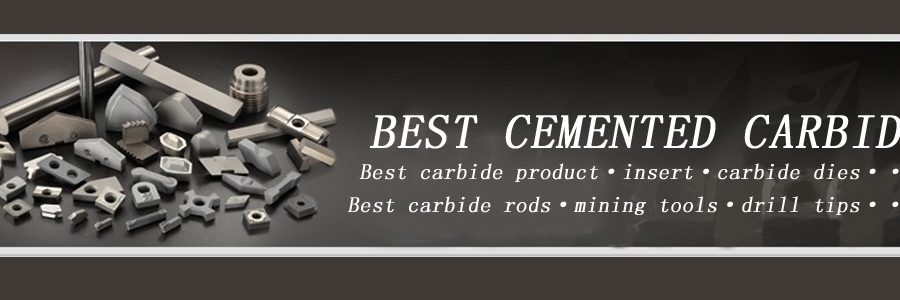
High-tech demand favours consistent, low-impurity powders and tight grade control. Manufacturers investing in virgin tungsten carbide powder, modern sintering and full-process quality control are aligned with where growth is happening — not just in volume, but in value.
Industry context compiled from 2025–2026 market reporting.